



Natural light shapes the perception of a space from the very first seconds. It reveals materials, directs the gaze, highlights volumes and also influences the feeling of comfort. Depending on orientation, time of day and season, it creates a succession of different sensations within the same place.
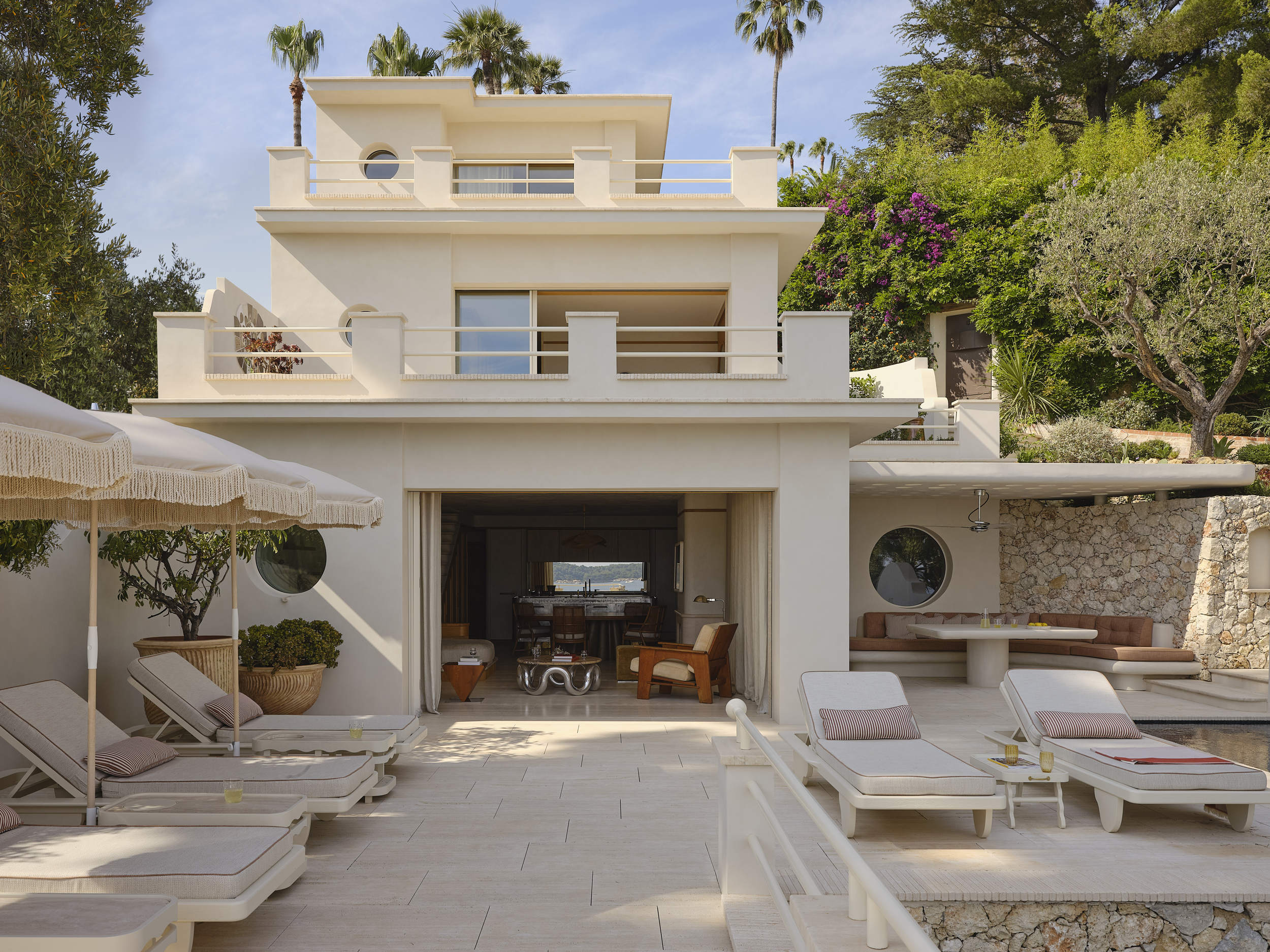
In this project, designed by Caprini & Pellerin, light contributes to the harmony with the surrounding landscape.
Mediterranean-inspired curved walls create alcoves and recesses. Throughout the day, shifting patterns of light and shadow animate the white concrete façades and emphasize their sculptural forms.
The garden, with its tropical trees and endemic plants, filters the sun’s rays and softens the villa’s strong architectural lines. Dining, swimming and relaxation areas unfold within this changing brightness.
Inside, large retractable glass windows blur the boundaries between indoors and outdoors. Natural light floods the rooms and reveals the restrained palette of travertine, light oak and raffia. The materials capture the subtle variations of daylight and reinforce the delicate balance between art and functionality.
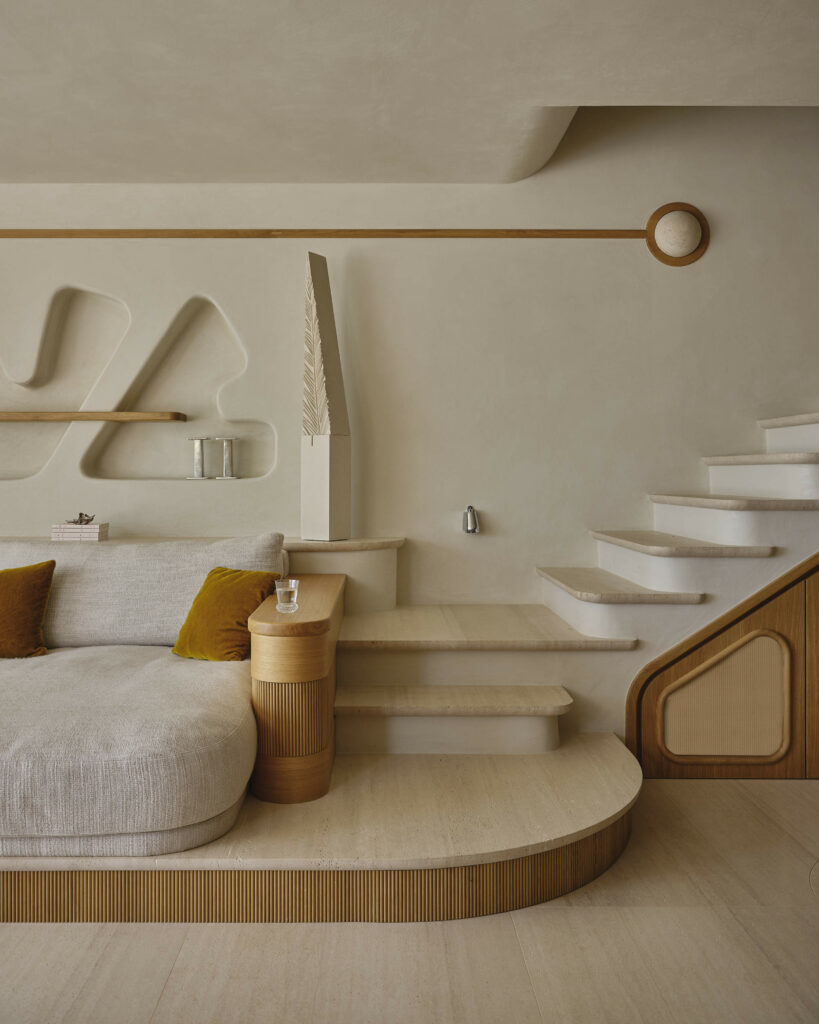
Natural light is a fundamental component of architectural design. It gilds walls and ceilings, reveals volumes and enhances generous ceiling heights. It extends perspectives toward the outdoors and gives a place a distinctive sense of openness.
Light circulates and connects spaces to one another. A window becomes a surface designed to capture light and direct it into the interior. Exterior views then become an integral part of the spatial experience.
Light can also be shaped through contrast. Intentionally darkening one area draws the eye toward an opening that frames the landscape.
Beyond styles and trends, the management of light remains timeless.
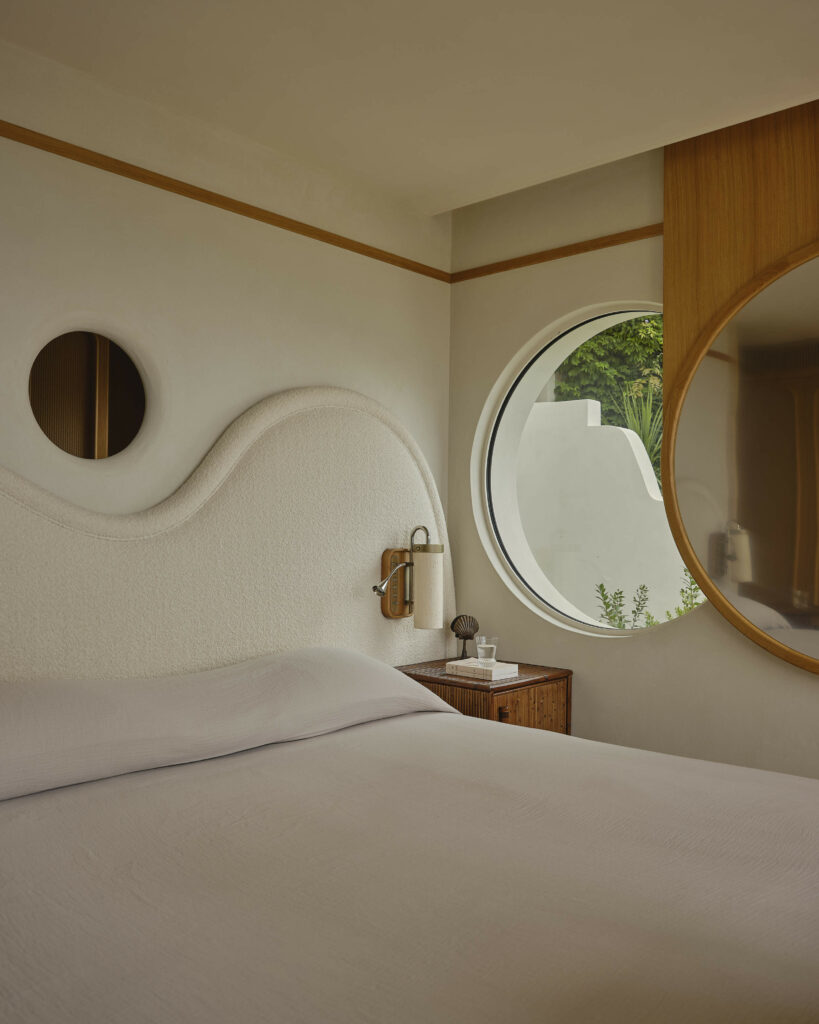
Natural light guides every decision from the earliest sketches. It determines the placement of openings, refines proportions and anchors the project within its environment. Topography, proximity to the sea, the presence of a garden or surrounding relief all serve as reference points.
Light then organizes the interior journey. A softer passage prepares the entrance. A lower ceiling concentrates brightness before a more generous volume opens toward the landscape. These transitions create a carefully controlled tension.
In this Cannes apartment designed by Caprini & Pellerin, a long vaulted corridor leads toward south-facing living spaces. The brightness intensifies gradually as one moves toward the rooms opening onto the sea.